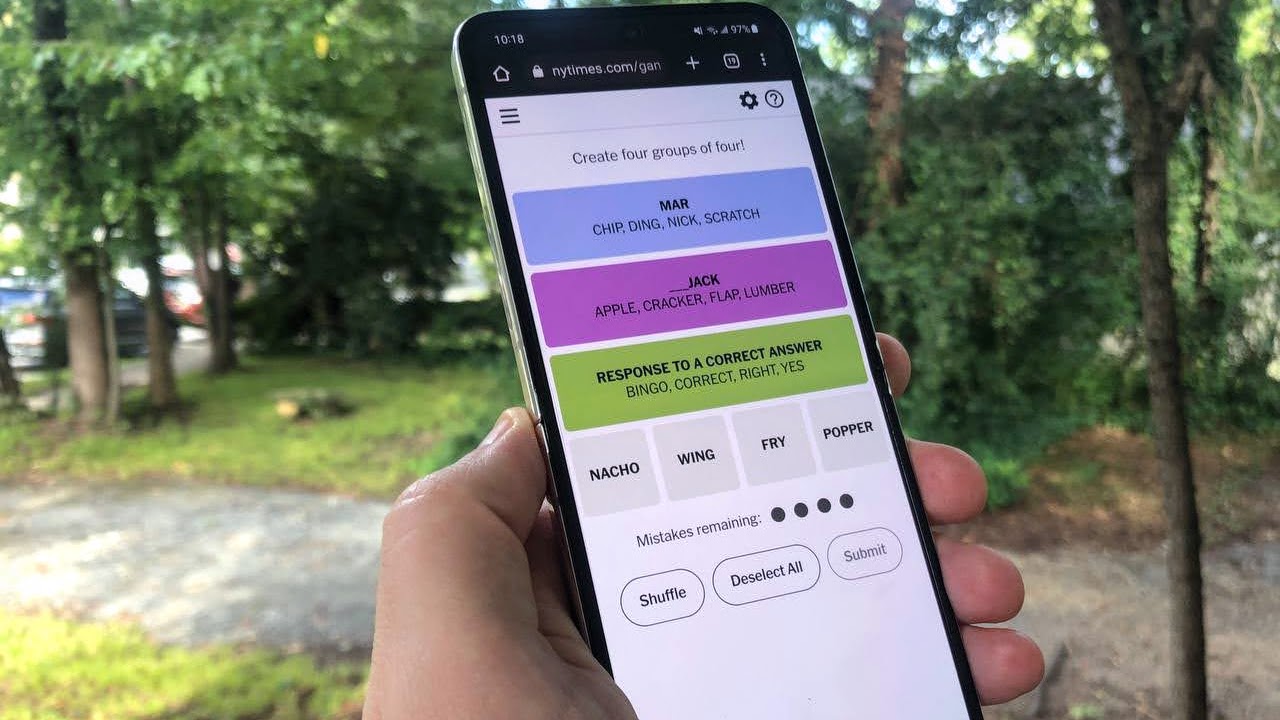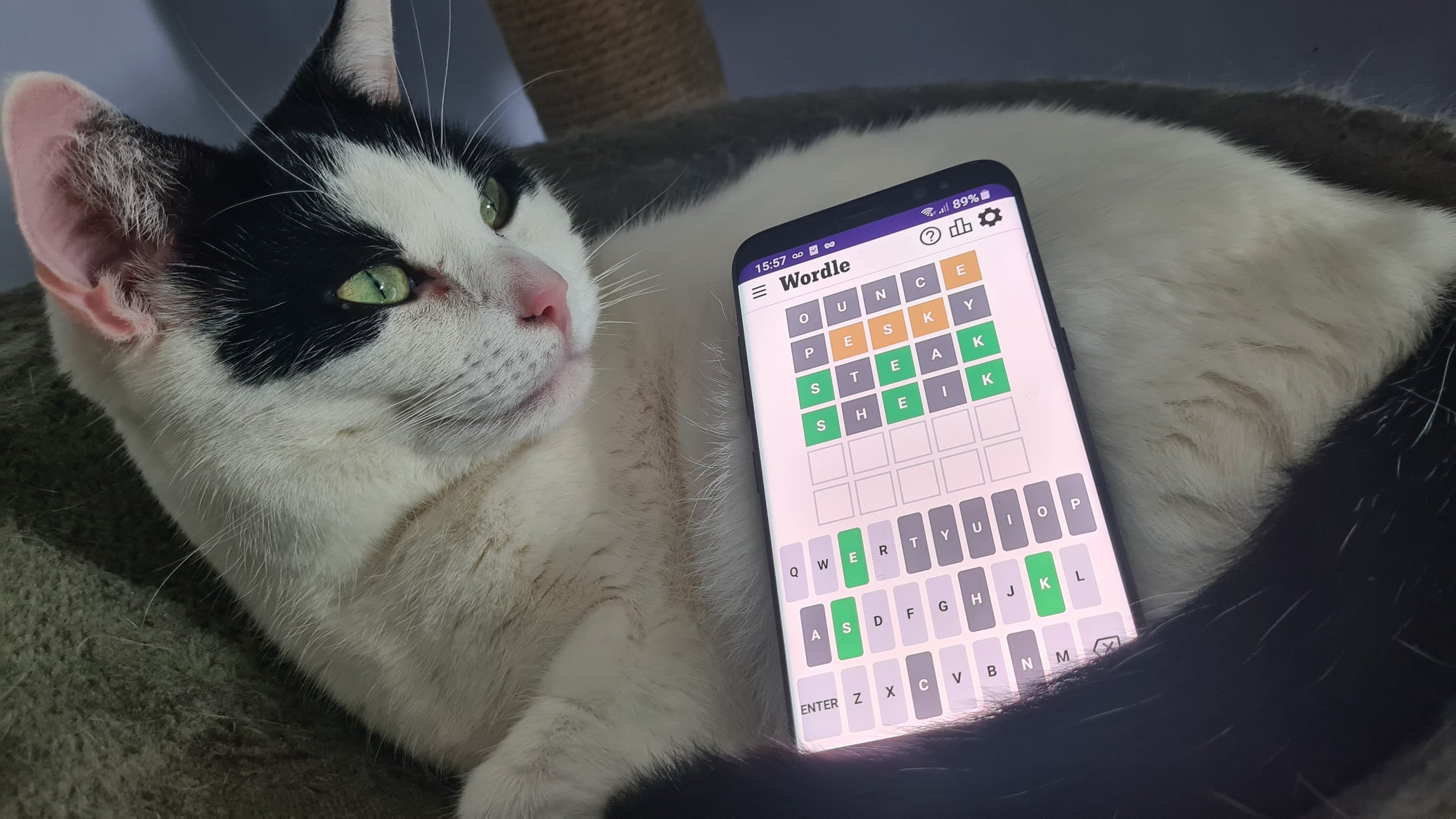
The rise of Wordle as a cultural phenomenon has been one of the most remarkable stories in the world of online gaming. What started as a simple, ad-free word puzzle built by software engineer Josh Wardle for his partner in 2021 quickly evolved into a daily ritual for millions around the world. Each morning, players open their browsers, stare at a five-by-six grid, and try to guess the hidden five-letter Wordle answer of the day. It sounds simple, yet the game’s elegant balance between logic and luck keeps players returning for more.
The Simplicity Behind the Obsession
At its core, Wordle presents a challenge that combines vocabulary knowledge, deductive reasoning, and pattern recognition. Players have six attempts to guess a five-letter word. Each guess reveals which letters are correct and whether they’re in the right position: green for correct placement, yellow for correct letters in the wrong place, and gray for incorrect ones.
The beauty of the game lies in its restraint. Unlike many digital games that bombard players with points, ads, or microtransactions, Wordle relies purely on the satisfaction of solving a single puzzle each day. There is only one official Wordle answer daily, shared across the world, which makes it a shared experience, a global guessing game that connects people through language.
The Science of Guessing the Right Wordle Answer
While some players rely purely on intuition, others have developed systematic strategies to increase their chances of finding the Wordle answer efficiently. Statisticians and data scientists have analyzed letter frequency, word patterns, and probabilities to discover the most efficient opening words.
Common starting guesses like “CRANE,” “SLATE,” “TRACE,” or “AUDIO” are favored for their balanced mix of common vowels and consonants. Mathematicians like Grant Sanderson from 3Blue1Brown have demonstrated that some starting words statistically reduce the number of possible answers faster than others. The logic is similar to codebreaking: each guess provides feedback that narrows the field of possible solutions.
For example, if a player starts with “CRANE” and learns that the ‘A’ is correct but misplaced, and the ‘E’ is not in the word, the next move could strategically exclude words with ‘E’ while repositioning the ‘A’. The key to success lies in pattern recognition — identifying relationships between letters and their positions while eliminating false leads.
The Psychology of Wordle
Beyond logic and vocabulary, the popularity of the Wordle answer hunt each morning reveals something deeper about human psychology. The game’s structure taps into several psychological triggers that make it so satisfying.
1. The Dopamine Reward Cycle
Each green or yellow tile triggers a mini rush of dopamine, the brain’s pleasure chemical. The gradual progression toward solving the world reinforces this feeling, much like solving a riddle or finishing a crossword puzzle.
2. The Power of Constraint
Limiting the player to one puzzle per day creates anticipation. In an era of endless scrolling and instant gratification, Wordle’s one-puzzle-a-day format feels refreshing. The waiting period resets interest daily, creating a ritual that builds loyalty over time.
3. The Social Connection
Wordle’s built-in sharing feature, which allows players to post their results without revealing the answer, fosters community. The iconic grid of colored squares has become a kind of language — a shorthand that conveys effort, success, or failure. Discussing the day’s Wordle answer on social media or in group chats has become a digital equivalent of morning small talk.
The Role of Language in Wordle Answers
The choice of Wordle answers reveals a lot about the English language. The game’s original word list included about 12,000 five-letter words, which were later narrowed down to a more manageable list of a few thousand to ensure fairness and accessibility.
Interestingly, the Wordle answer list tends to favor more common, everyday words rather than obscure vocabulary. This makes the puzzle accessible to a broad audience while still offering enough challenge to keep it engaging. Occasionally, however, the game surprises players with less familiar words — such as “KNOLL” or “CAULK” — which spark widespread debate and discussion.
Language experts note that Wordle has subtly encouraged linguistic curiosity. Players often encounter words they haven’t used in years, prompting them to revisit meanings, origins, and spellings. This renewed engagement with vocabulary is one of Wordle’s hidden benefits — it gamifies language learning without players even realizing it.
The Cultural Impact of Daily Wordle Answers
When The New York Times acquired Wordle in early 2022, it wasn’t just buying a game — it was investing in a cultural movement. The daily Wordle answer quickly became a shared cultural touchpoint, akin to discussing the weather or last night’s sports scores.
Office workers, students, retirees, and even celebrities participate in the same puzzle every day, creating a sense of connection across age groups and borders. For many, solving Wordle is a form of mindfulness — a few quiet minutes of focused thought before diving into the chaos of the day.
Moreover, Wordle’s influence has spread far beyond its original format. The concept inspired countless spin-offs and variations — from Heardle (for music lovers) to Nerdle (for math fans) and Worldle (for geography enthusiasts). These adaptations demonstrate how the appeal of daily, shareable puzzles extends across disciplines.
Why People Care About the Wordle Answer
The daily Wordle answer has become something of an event. Online forums, social media threads, and even news sites often discuss the day’s solution, strategies, and letter patterns. The global community of players experiences collective moments of triumph, frustration, or surprise.
There’s also an emotional element: solving the Wordle answer gives a brief sense of mastery in a world full of uncertainty. The problem is finite, the rules are fair, and success is attainable — qualities that make Wordle deeply satisfying. It’s a small daily victory that adds structure and accomplishment to routine life.
Tips for Finding the Wordle Answer More Efficiently
For those looking to sharpen their Wordle strategy, here are a few tips used by experienced players:
-
Start with a strong seed word — Choose a word that includes multiple vowels and common consonants, such as “CRANE” or “AUDIO.”
-
Avoid repeating letters early — In the first few guesses, aim to cover as many unique letters as possible to gather more information.
-
Use elimination logic — Treat each clue as a mini dataset. If a letter is gray, mentally rule out words containing it.
-
Be cautious with plurals — Many Wordle answers avoid ending with “S,” as the creators tend to prefer base forms.
-
Stay calm and patient — Emotional guessing often leads to wasted turns. Approach it logically, like a codebreaker.
The Enduring Legacy of Wordle
As trends come and go, Wordle’s endurance speaks to a universal truth: humans love puzzles that challenge both intellect and intuition. The daily Wordle answer represents more than a word — it symbolizes community, curiosity, and cognitive playfulness.
Wordle manages to combine the best of old-school pen-and-paper word games with modern digital interactivity. It’s simple yet sophisticated, solitary yet social. Whether you guess the Wordle answer on your first try or after six tense attempts, the thrill remains the same, a brief, satisfying reminder of the joy of thinking.
In the end, Wordle isn’t just about finding the right five-letter word. It’s about connection, creativity, and the simple pleasure of problem-solving one day, one word, and one answer at a time.