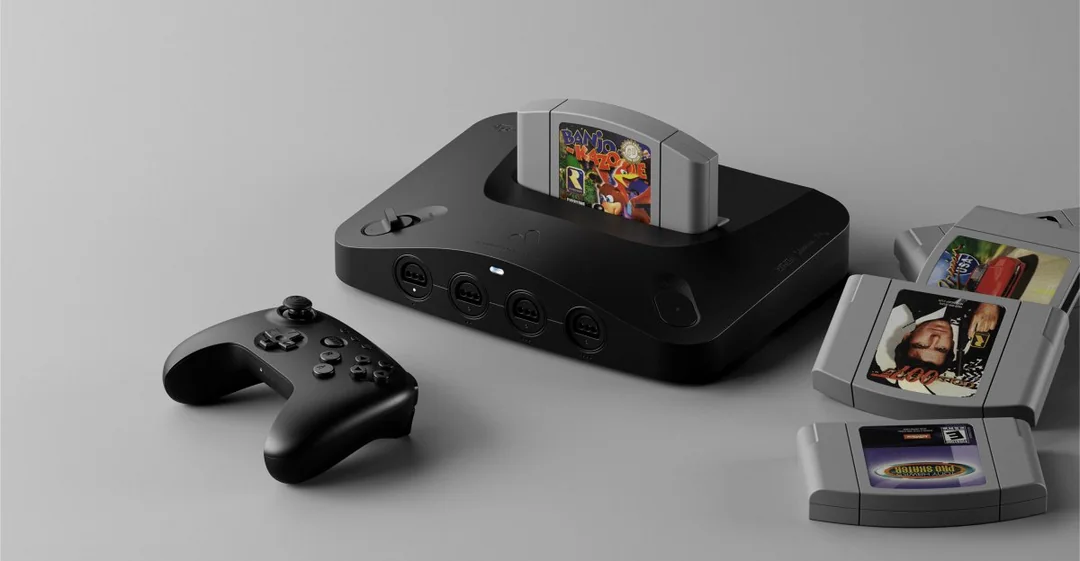
In 2025, the Nintendo 64 is more than just a piece of gaming history. It stands as a cultural icon that bridges generations of players, developers, and enthusiasts. Nearly three decades after its debut, the console continues to inspire innovation, nostalgia, and community engagement. What once revolutionized 3D gaming in the 1990s now serves as a timeless example of how creativity can transcend technology.
A Look Back at the Origins
The Nintendo 64 2025 was first released in Japan in June 1996 and arrived in North America a few months later. It represented Nintendo’s bold step into the 64-bit era, bringing polygonal 3D graphics and a unique gaming experience that set it apart from its competitors. While other companies embraced CDs, Nintendo chose to stay with cartridges, emphasizing speed and durability over capacity. This decision shaped the console’s identity and gave it a distinctive feel.
The controller was unlike anything gamers had seen before. With its three-pronged design and an analog stick in the center, it offered precise control that paved the way for the modern 3D gaming experience. Players could explore expansive worlds in titles like Super Mario 64 and The Legend of Zelda: Ocarina of Time with a new sense of freedom and precision. The built-in four controller ports made the console ideal for group play, encouraging face-to-face competition and laughter in living rooms around the world.
Although it faced stiff competition from Sony’s PlayStation and Sega’s Saturn, the Nintendo 64’s unique hardware and software lineup secured its place in history. It sold nearly 33 million units worldwide and introduced a generation of players to the golden age of 3D gaming.
Why the Nintendo 64 Still Matters in 2025
A Design Ahead of Its Time
The influence of the Nintendo 64 can still be felt across modern gaming hardware. The analog stick, once a novelty, is now standard on every major controller. The focus on multiplayer gameplay anticipated the rise of local co-op and party gaming experiences that remain popular today. Even its controller design, though often mocked for its odd shape, has inspired countless retro controllers and accessories aimed at capturing the feel of the original system.
The Power of Nostalgia and Preservation
In 2025, retro gaming is not just a pastime but a cultural movement. The Nintendo 64 is often at the heart of this revival. Fans collect consoles, cartridges, and accessories, while others turn to emulation to preserve and enjoy the games. Academic communities and preservationists study its architecture to understand how gaming transitioned from 2D to 3D. Every title represents a piece of that evolution, from the simplicity of Mario Kart 64 to the ambitious scope of Ocarina of Time.
Reimagining Classics
Modern developers and hobbyists continue to reimagine Nintendo 64 titles for new audiences. Through emulation, recompiled versions, and fan-made mods, these games are receiving visual and performance upgrades. Projects that enhance textures, fix bugs, or enable 4K resolution are helping classics remain relevant. Players today can experience these worlds in sharper, smoother forms while maintaining the spirit of the originals.
The State of the Nintendo 64 in 2025
Emulation Challenges and Progress
Even in 2025, a perfect emulation of the Nintendo 64 remains elusive. The console’s unique architecture, custom chips, and cartridge-based data management make accurate reproduction difficult. Developers of emulation software continue refining their work to fix glitches, improve performance, and recreate the console’s timing and rendering behavior. The dedication to getting it right reflects how deeply the community values authenticity.
Hardware Revivals and Modern Remakes
Several companies are creating new hardware that supports original Nintendo 64 cartridges while connecting to modern televisions. One of the most anticipated is the Analogue 3D console, a faithful recreation designed to deliver native 4K visuals and modern connectivity. It aims to offer a bridge between old and new, giving collectors and players an authentic experience without the limitations of aging hardware. Though manufacturing delays have slowed its release, the excitement surrounding it shows that demand for classic gaming remains strong.
Collecting and Re-Releases
In recent years, Nintendo has gradually expanded its retro catalog through subscription services and digital collections. The inclusion of Nintendo 64 titles on modern consoles has given new life to games once thought lost to time. Players can revisit GoldenEye 007, Star Fox 64, and Paper Mario with improved performance and accessibility. For collectors, physical copies remain valuable, with rare cartridges commanding high prices in the retro market.
Community Modding and Customization
The fan community has kept the Nintendo 64 alive in remarkable ways. Modders create new controllers, replace aging components, and even build entirely new games using the console’s framework. Others focus on high-resolution texture packs and performance enhancements for PC emulation. These efforts not only preserve the console’s legacy but expand it, offering experiences that the original developers could never have imagined.
Global Relevance
Even in regions where the Nintendo 64 was never widely distributed, its cultural influence has grown. In countries such as Pakistan, interest in retro gaming has surged thanks to accessible emulation and online communities. Fans organize virtual tournaments, share mods, and discuss strategies for speedrunning classic titles. The global reach of the internet has made it easier than ever to connect with fellow enthusiasts and celebrate gaming history.
Challenges for Modern Fans
While the Nintendo 64 remains beloved, enjoying it today is not without hurdles. Original hardware can be expensive or difficult to find, and authentic cartridges are becoming collector’s items. Legal concerns around emulation and ROM distribution require caution and respect for intellectual property. Even with modern clones and adapters, ensuring an accurate and ethical gaming experience requires awareness and effort.
The Road Ahead
Looking beyond 2025, several trends are likely to shape the Nintendo 64’s continuing legacy. More FPGA-based consoles will emerge, allowing players to enjoy their cartridges on modern televisions with minimal lag and high-quality visuals. Digital libraries will continue expanding, giving official access to more titles in enhanced formats. Modding will grow even more sophisticated, blending nostalgia with creativity as fans develop new levels, textures, and gameplay features for old favorites.
Academics and historians will keep studying the console’s impact on design, storytelling, and hardware engineering. The Nintendo 64’s role as a transitional device between 2D and 3D worlds ensures its lasting importance in the evolution of gaming.
A Timeless Symbol of Innovation
The Nintendo 64 remains a symbol of risk-taking and creativity. It challenged conventions and inspired new ideas in a period when gaming was still defining itself. In 2025, its legacy continues to influence modern design and culture, reminding gamers of the joy that comes from discovery, experimentation, and imagination.
Whether you are plugging in an original controller, trying out an emulator, or waiting for the next hardware revival, the Nintendo 64 still has something to offer. Its spirit lives on not only in its games but in every new generation of players who continue to explore and celebrate its world. The console may belong to the past, but its influence shapes the present and future of gaming in ways that few other systems ever have.