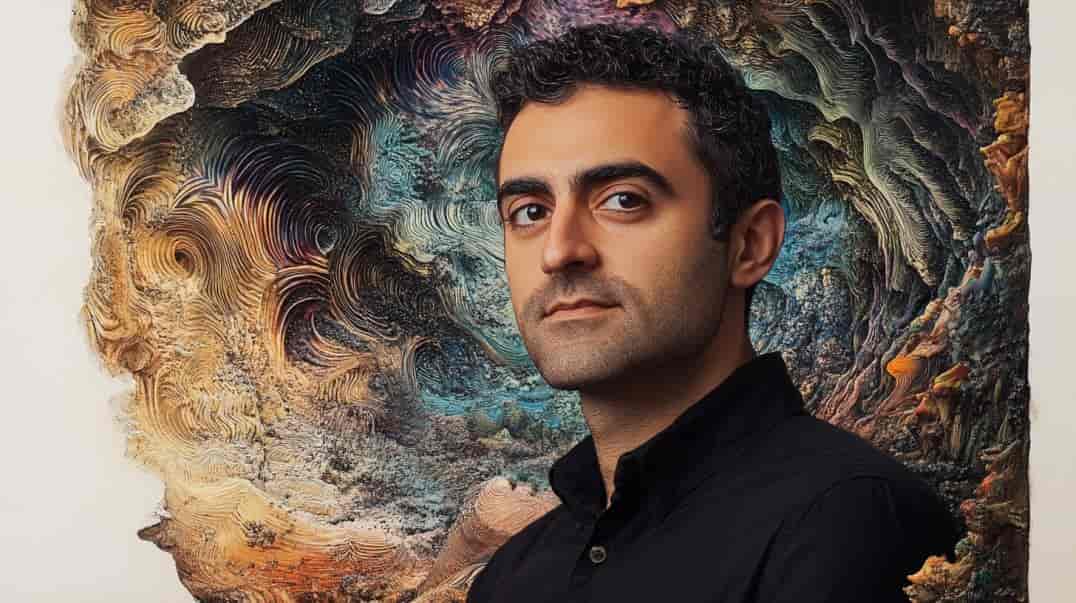
In Silicon Valley, where innovation and competition define success, some figures prefer to operate away from the limelight, letting their ideas and leadership speak for themselves. Michael Polansky is one such figure. Known publicly as the partner of global superstar Lady Gaga, Polansky’s professional achievements extend far beyond celebrity associations. A Harvard-educated entrepreneur, investor, and philanthropist, he has quietly built an impressive career focused on technology-driven solutions, venture capital, and social impact initiatives. His work reflects a modern approach to leadership, combining analytical intelligence, empathy, and a deep sense of purpose.
Early Life and Education
Michael Polansky was born and raised in the United States, displaying an early interest in science, technology, and economics. His academic journey took him to Harvard University, where he graduated in 2006 with a degree in Applied Mathematics and Computer Science. Harvard’s rigorous academic environment and exposure to influential thinkers shaped his analytical mindset and entrepreneurial vision. His education provided the foundation for a career that would later blend technical expertise with strategic investment and philanthropy.
The Early Career: Foundations in Tech and Venture Capital
After graduating, Polansky entered the world of finance and technology, a natural step for a Harvard alumnus with a strong quantitative background. He began his career at Bridgewater Associates, one of the largest hedge funds in the world, founded by Ray Dalio. Working in this high-intensity environment honed his analytical and strategic thinking skills and introduced him to large-scale investment and economic modeling.
However, Polansky’s ambitions extended beyond traditional finance. His interests shifted toward innovation, startups, and social entrepreneurship, where he could combine profit with purpose. He joined Founders Fund, a venture capital firm co-founded by Peter Thiel, where he gained exposure to some of the most transformative startups in Silicon Valley. Founders Fund was instrumental in supporting companies like Facebook, SpaceX, and Palantir, giving Polansky firsthand experience in disruptive technologies and the entrepreneurs behind them.
The Parker Group and the Intersection of Tech and Philanthropy
Polansky’s defining professional chapter began when he became deeply involved with the Parker Group, founded by tech billionaire Sean Parker, the co-founder of Napster and first president of Facebook. The Parker Group was created to channel Parker’s wealth into philanthropic causes with a technology-driven approach. Polansky took on multiple leadership roles across Parker’s initiatives, demonstrating his versatility and commitment to using innovation for good.
He became CEO of the Parker Group and also helped launch and manage several of its key projects, including The Parker Foundation, a philanthropic organization focused on life sciences, public health, and civic engagement. Under Polansky’s guidance, the foundation funded groundbreaking medical research and aimed to accelerate the translation of scientific discoveries into real-world treatments. Another major initiative he supported was The Parker Institute for Cancer Immunotherapy, which brings together leading researchers, biotech companies, and clinicians to collaborate on innovative cancer treatments. The institute emphasizes collaboration over competition, reflecting Polansky’s belief that collective intelligence can achieve what isolated efforts cannot.
Through his work with the Parker Group, Polansky emerged as a bridge between Silicon Valley innovation and social responsibility. He is known for promoting a long-term vision that prioritizes sustainability, ethics, and measurable impact over short-term profit.
Entrepreneurship and Thought Leadership
Beyond philanthropy, Polansky has continued to make his mark in the tech ecosystem. He has been involved in startups and ventures across fields like biotechnology, artificial intelligence, and data science. His ability to analyze emerging trends and support transformative ideas has made him a respected figure among investors and founders alike.
Polansky’s leadership style is often described as analytical yet empathetic. Colleagues note that he brings a sense of calm and rationality to high-pressure environments, balancing data-driven decisions with an understanding of human behavior. His career demonstrates that leadership in the 21st century requires not just vision and intelligence but also humility and collaboration.
Personal Life and Relationship with Lady Gaga
While Polansky has long been respected in business and philanthropy circles, he entered mainstream public attention in early 2020 when his relationship with Lady Gaga became public. The two reportedly met through mutual friends and share common interests in philanthropy, creativity, and social impact. Gaga, known for her advocacy and humanitarian efforts, found in Polansky a partner equally dedicated to making the world better through action and innovation.
Their relationship highlights the convergence of art, empathy, and science. Together, they have supported causes related to mental health, education, and global health crises. During the COVID-19 pandemic, both were involved in charitable efforts to support frontline workers and communities affected by the crisis. Gaga’s Born This Way Foundation and Polansky’s work with the Parker Group share a similar ethos, using influence and resources to drive systemic change.
Despite his association with one of the most famous entertainers in the world, Polansky remains remarkably private. He rarely appears in interviews or public events unrelated to his work, preferring to let his contributions speak for themselves. This quiet confidence has only added to his reputation as a thoughtful and genuine leader.
Philosophy and Vision
At the heart of Michael Polansky’s career lies a belief in data-driven empathy, the idea that science and compassion can work hand in hand to solve humanity’s greatest challenges. He envisions a world where technology is not an end in itself but a tool to improve lives, strengthen communities, and advance knowledge.
Polansky’s work often focuses on collaboration across disciplines, uniting scientists, technologists, policymakers, and philanthropists under common goals. This interdisciplinary approach is increasingly vital in addressing complex global issues like climate change, pandemics, and social inequality.
His philosophy aligns with the broader movement toward impact investing, where investors seek both financial returns and positive social outcomes. By applying venture capital principles to philanthropy, Polansky has helped redefine what modern giving can look like.
Legacy and Influence
Though still relatively young, Michael Polansky’s impact is already significant. His leadership at the Parker Group and involvement in high-impact ventures have influenced how technology and philanthropy intersect. He represents a new generation of leaders who reject the idea that business success and social responsibility are separate pursuits.
Polansky’s work also serves as a model for future entrepreneurs, demonstrating that long-term, sustainable success comes from creating value not just for shareholders but for society as a whole. As innovation continues to reshape global economies, his emphasis on ethics, collaboration, and compassion remains a powerful counterbalance to the often profit-driven culture of Silicon Valley.
Conclusion
Michael Polansky may not seek the spotlight, but his contributions to technology, philanthropy, and social innovation make him a figure worth studying. His life embodies the idea that true influence comes not from fame but from the quiet power of vision, intelligence, and empathy in action. In a world hungry for both innovation and integrity, Polansky’s journey offers a refreshing reminder that leadership rooted in purpose can create change that lasts far beyond a single lifetime.