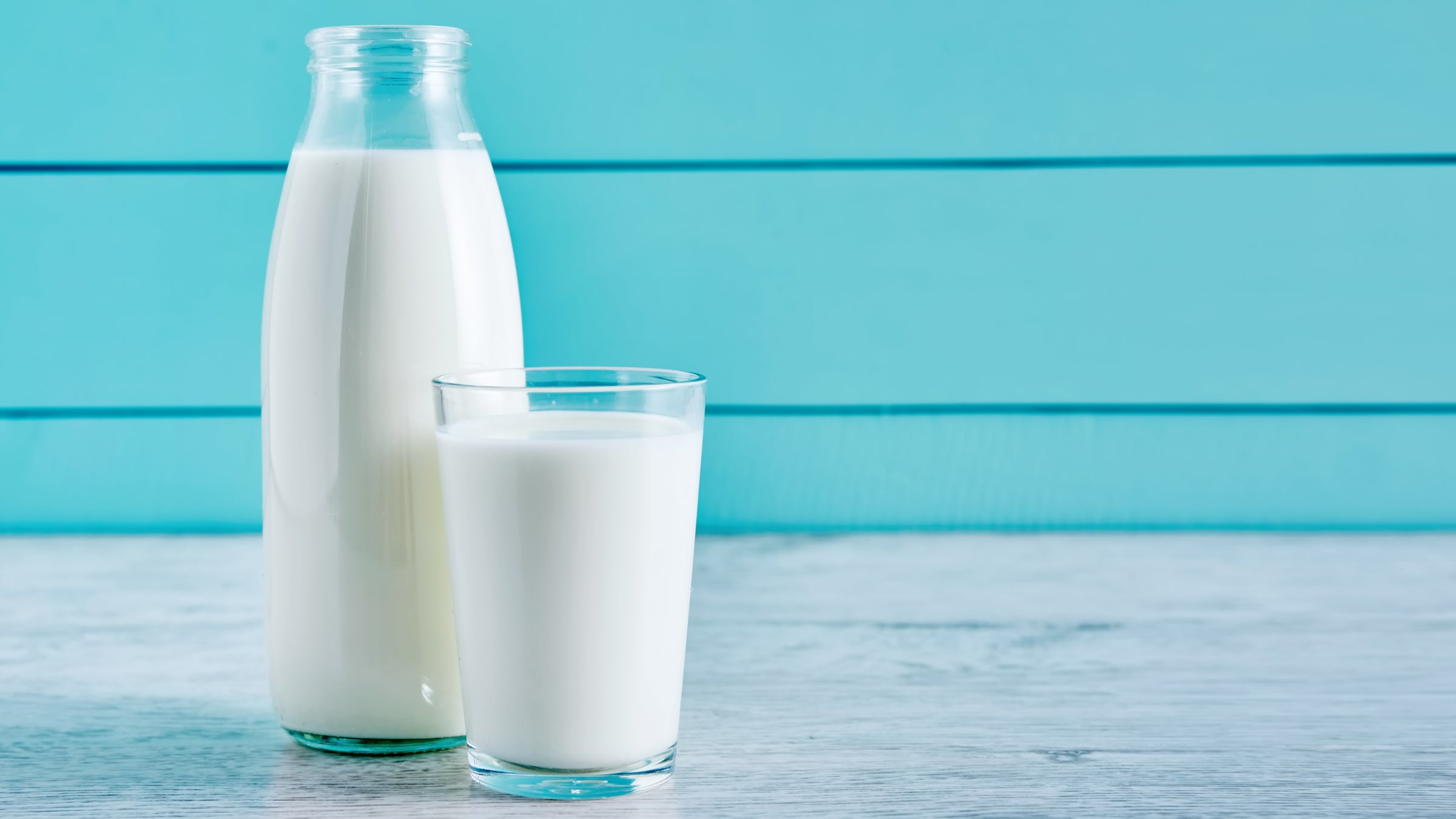
In recent years, the global food industry has undergone a quiet revolution powered by technology and innovation. Among the most transformative advancements is the emergence of lab-grown milk, commonly known as LabMilk. This innovation represents a major leap forward in how we produce and consume dairy, offering a sustainable, ethical, and potentially healthier alternative to traditional cow’s milk. As climate change, animal welfare, and food security become increasingly pressing global concerns, LabMilk is positioned at the center of a paradigm shift in the food industry.
The Science Behind LabMilk
LabMilk is created through a process known as precision fermentation, which involves programming microorganisms such as yeast or fungi to produce the same proteins found in cow’s milk, primarily casein and whey. These proteins are what give milk its creamy texture, nutritional value, and ability to be used in cheese, yogurt, and other dairy products. Scientists insert DNA sequences that encode for these milk proteins into the microorganisms. Once the fermentation process begins, the microbes produce real milk proteins, which are then filtered, purified, and combined with water, fats, vitamins, and minerals to create a product that is molecularly identical to traditional milk.
Unlike plant-based milk alternatives made from almonds, soy, or oats, LabMilk is not an imitation. It is real dairy without the use of cows. Because it contains authentic milk proteins, LabMilk has the same taste, texture, and functionality as conventional milk, allowing it to be used in cooking, baking, and dairy manufacturing without compromise.
Environmental Impact and Sustainability
One of the main drivers behind the development of LabMilk is its potential to drastically reduce the environmental footprint of dairy production. Conventional dairy farming is resource-intensive and contributes significantly to greenhouse gas emissions, water pollution, and deforestation. Cows produce large amounts of methane, a potent greenhouse gas, while dairy farms consume vast quantities of water and land for both animal maintenance and feed cultivation.
LabMilk eliminates these inefficiencies. Since it is produced through fermentation rather than animal farming, it requires minimal land, drastically less water, and generates a fraction of the emissions associated with traditional dairy. Studies estimate that precision fermentation-based dairy could reduce greenhouse gas emissions by up to 90 percent and land use by as much as 95 percent. In a world facing climate change and shrinking agricultural resources, such numbers highlight LabMilk’s potential as a crucial tool in achieving global sustainability goals.
Animal Welfare and Ethics
Beyond environmental benefits, LabMilk also addresses ethical concerns related to the treatment of dairy cattle. Industrial dairy farming often involves practices such as forced breeding, separation of calves from mothers, and confinement in restrictive conditions. These practices have long sparked debate and criticism from animal rights organizations.
LabMilk sidesteps all these issues. Removing animals from the production process eliminates suffering, overbreeding, and the slaughter associated with the dairy industry. Ethical consumers seeking cruelty-free products see LabMilk as a moral and compassionate choice that aligns with their values without requiring them to give up the familiar taste and nutrition of milk.
Nutrition and Health Aspects
From a nutritional standpoint, LabMilk has the potential to equal or even surpass traditional milk. Because it is built from the molecular level up, scientists can customize its nutritional composition. For example, lactose, the natural sugar found in cow’s milk that causes digestive discomfort for many people, can be omitted entirely, making LabMilk naturally lactose-free. Producers can also adjust fat content, add beneficial nutrients such as omega-3 fatty acids, or reduce cholesterol levels to make it a healthier option.
Additionally, LabMilk is produced in sterile, controlled environments, reducing the risk of bacterial contamination, antibiotics, or hormones that are sometimes found in animal-derived milk. This precision ensures consistency in quality and safety, which are key advantages in large-scale food production.
Economic Potential and Industry Disruption
The dairy industry is one of the largest agricultural sectors globally, valued at hundreds of billions of dollars. The rise of LabMilk introduces both opportunities and challenges for traditional dairy producers. Startups like Perfect Day, TurtleTree, and Remilk are pioneering this space, attracting significant investment and developing partnerships with food giants to bring lab-grown dairy products to the mainstream market.
As technology advances and production costs decline, LabMilk could become competitive with or even cheaper than conventional milk. Economies of scale and improved fermentation efficiency are expected to drive prices down over time, similar to the cost trends seen in renewable energy technologies. For now, most LabMilk products are in limited supply and marketed at premium prices, but the long-term potential for affordability and accessibility remains promising.
Consumer Acceptance and Challenges
Despite its many advantages, LabMilk faces hurdles in public perception and regulatory approval. Consumers often express skepticism toward lab-grown or synthetic foods, associating them with unnatural or overly processed products. Educating the public about the safety and benefits of precision fermentation is crucial for widespread adoption. Clear labeling, transparency in production processes, and third-party certifications could help build trust.
Regulation is another key factor. Food safety authorities must establish clear guidelines for labeling, quality control, and nutritional standards for lab-grown dairy products. The United States Food and Drug Administration and the European Food Safety Authority are already reviewing frameworks to ensure that precision fermentation-derived foods meet safety and labeling standards comparable to conventional dairy.
The Future of LabMilk in a Changing World
As the global population continues to grow, the demand for dairy is expected to rise sharply in the coming decades. Meeting this demand sustainably with traditional methods is becoming increasingly difficult. LabMilk provides a scalable solution that can help feed billions without depleting natural resources or worsening climate change.
In the near future, consumers might find LabMilk-based products such as cheese, yogurt, and ice cream on grocery store shelves alongside traditional dairy and plant-based options. Some companies are even exploring hybrid models that blend plant-based ingredients with lab-grown milk proteins to create new dairy alternatives that combine sustainability with taste.
Beyond milk, precision fermentation technology could extend to other animal-based foods like eggs, gelatin, and even meat, potentially transforming the entire food industry. The implications go beyond convenience or novelty; they represent a structural shift toward a more sustainable, ethical, and technologically advanced food system.
Conclusion
LabMilk embodies the convergence of science, ethics, and sustainability in modern food innovation. By harnessing biotechnology to replicate the molecular structure of cow’s milk without the animal, it offers a groundbreaking alternative to traditional dairy production. Its potential environmental, ethical, and health benefits make it a compelling solution to some of the most pressing challenges facing the global food supply.
While obstacles in cost, regulation, and public perception remain, the momentum behind LabMilk continues to grow. As consumers, governments, and companies align around sustainability goals, LabMilk is poised to become more than just a scientific novelty. It could redefine the future of dairy itself.
In essence, LabMilk is not just milk reinvented; it is a vision of a cleaner, kinder, and more sustainable world, one glass at a time.