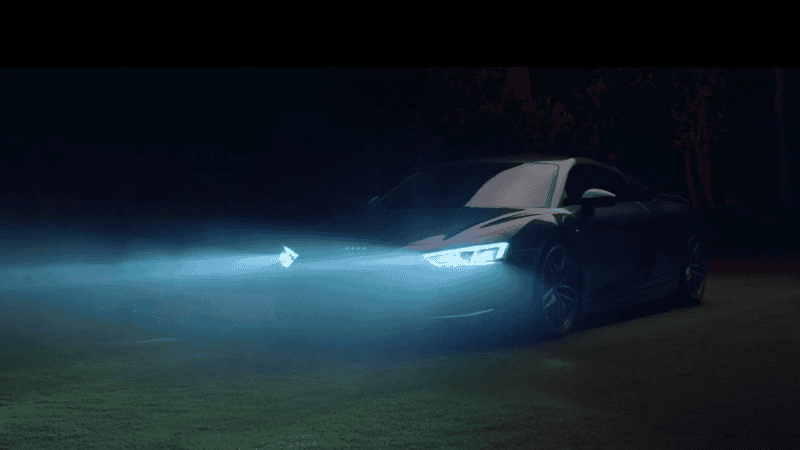
In the fast-evolving world of automotive technology, one of the most revolutionary advancements in recent years has been the introduction of laser headlights. These ultra-bright, efficient, and futuristic lighting systems are not just an upgrade from traditional halogen or LED headlights—they represent a leap forward in visibility, safety, and energy efficiency. As manufacturers race to integrate the latest innovations into their vehicles, laser headlights have become a symbol of how modern engineering continues to redefine the driving experience.
The Evolution of Automotive Headlights
To understand the importance of laser headlights, it is helpful to trace how far vehicle lighting has come. The earliest cars relied on acetylene or oil lamps, which provided minimal illumination. As electric systems developed, halogen bulbs became the standard for most vehicles during the twentieth century. In the early 2000s, xenon or HID (High-Intensity Discharge) lights offered brighter and whiter beams, greatly improving nighttime visibility.
The next major innovation came with LEDs (Light Emitting Diodes), which provided more energy efficiency and flexibility in design. Yet even LED technology has its limits in terms of range and brightness. This is where laser headlights entered the scene, offering a level of intensity and reach that no previous lighting system could match.
What Are Laser Headlights?
Laser headlights use highly concentrated beams of light generated by laser diodes. However, contrary to what the name suggests, the light that reaches the road is not a direct laser beam. Instead, the laser light is directed into a phosphor material, which converts it into a bright, safe, and broad beam of white light. This process is similar to how LEDs work, but operates at a much higher efficiency and intensity.
The laser beams themselves are extremely compact, which allows automakers to design slimmer and more aerodynamic headlight units. The resulting white light is up to ten times brighter than standard LED headlights and can illuminate the road nearly twice as far.
How Laser Headlights Work
A typical laser headlight system consists of several blue laser diodes. These diodes project their beams onto a yellow phosphor lens, creating an intense white light. This light is then directed and distributed by reflectors or lenses onto the road. The laser module is sealed and well-protected, ensuring that the actual laser beam never exits the housing, making it completely safe for both drivers and pedestrians.
This combination of advanced optics and chemical conversion allows laser headlights to achieve unparalleled brightness while consuming less energy. The result is a cleaner, more focused, and far-reaching beam that enhances visibility without blinding oncoming traffic.
Advantages of Laser Headlights
1. Exceptional Brightness and Range
Laser headlights are capable of projecting light up to 600 meters ahead, nearly double the reach of LED systems. This increased range gives drivers more time to detect obstacles, animals, or road signs at night, improving overall safety.
2. Compact Design
Because laser diodes are much smaller than LED chips, manufacturers can design sleeker, lighter headlight assemblies. This opens up new creative possibilities for vehicle styling while also contributing to aerodynamics.
3. Energy Efficiency
Laser headlights consume roughly thirty percent less power than LED systems for the same level of brightness. This improved efficiency helps electric vehicles conserve battery power and reduces fuel consumption in traditional engines.
4. Adaptive Lighting Capabilities
Many laser headlight systems integrate with sensors and cameras to adjust the beam automatically based on driving conditions. These systems can dim specific areas of the light pattern to prevent glare for oncoming drivers, highlight pedestrians, or adapt to curves in the road.
5. Durability and Longevity
Laser diodes have a long operational lifespan and are resistant to vibration and temperature changes. This makes them ideal for high-performance or off-road vehicles where durability is key.
Challenges and Limitations
While laser headlights offer impressive benefits, they are not without drawbacks. The most significant challenge remains cost. Laser lighting systems are complex and expensive to produce, which is why they are currently found only in premium vehicles from brands such as BMW, Audi, and Lexus.
Regulatory approval is another issue. In some regions, strict lighting regulations have slowed the adoption of laser systems due to concerns about potential glare and safety. Manufacturers must design these systems to meet varying standards across global markets.
Heat management is also a technical hurdle. The intense light output generates significant heat within the headlight unit, requiring advanced cooling mechanisms to prevent damage to the components.
Lastly, maintenance and replacement can be challenging. Since laser headlights are still relatively new, repair costs are high, and replacement parts are not yet widely available.
Laser Headlights in Modern Vehicles
BMW was one of the first automakers to introduce laser headlights in production cars. The 2014 BMW i8 featured this cutting-edge technology, followed by the BMW 7 Series. Audi soon followed with its laser-equipped R8 LMX, which showcased the brand’s commitment to performance and innovation.
Other luxury manufacturers like Mercedes-Benz, Lexus, and Porsche have experimented with laser lighting in concept or limited-production models. Over time, as production costs decrease, more mainstream brands are expected to adopt the technology in their higher-end trims.
Laser Headlights and Safety
Safety remains one of the core motivations behind the development of laser lighting. Better illumination helps prevent accidents, especially in poor weather or rural environments with minimal street lighting. Laser headlights can detect the presence of other vehicles and automatically adjust their intensity, ensuring optimal lighting without blinding other drivers.
Furthermore, these systems are often integrated into driver-assistance technologies such as night vision cameras, pedestrian detection, and adaptive cruise control. Together, they create a smarter and more responsive driving environment.
The Future of Laser Lighting
As production technology advances and costs fall, laser headlights are expected to become more accessible. The combination of energy efficiency and superior visibility makes them particularly appealing for electric vehicles (EVs), where conserving battery power is crucial.
Researchers are already exploring hybrid laser-LED systems, combining the wide coverage of LEDs with the intense focal power of lasers. This could result in adaptive beams capable of automatically adjusting shape and brightness to perfectly match driving conditions.
Moreover, the growing focus on autonomous driving could further accelerate the adoption of laser headlights. Self-driving vehicles rely heavily on sensors and optical systems, and superior illumination will play a key role in enhancing their perception of the environment.
Environmental Impact
Laser headlights are not only efficient but also environmentally friendly. Their reduced energy consumption contributes to lower CO₂ emissions in fuel-based cars and longer battery life in electric ones. Additionally, their long lifespan means fewer replacements and less waste, aligning with the automotive industry’s push toward sustainability.
Conclusion
Laser headlights represent a remarkable leap in automotive lighting technology. By combining unmatched brightness, extended range, and energy efficiency, they set new standards for visibility and safety on the road. Although still limited to luxury vehicles due to high costs, ongoing research and technological improvements are expected to make them more affordable in the near future.
As cars become smarter and more efficient, laser headlights stand as a shining example of how innovation continues to illuminate the path forward literally and figuratively. From sleek design possibilities to enhanced night-driving safety, they are not just headlights but a glimpse into the brilliant future of automotive engineering.