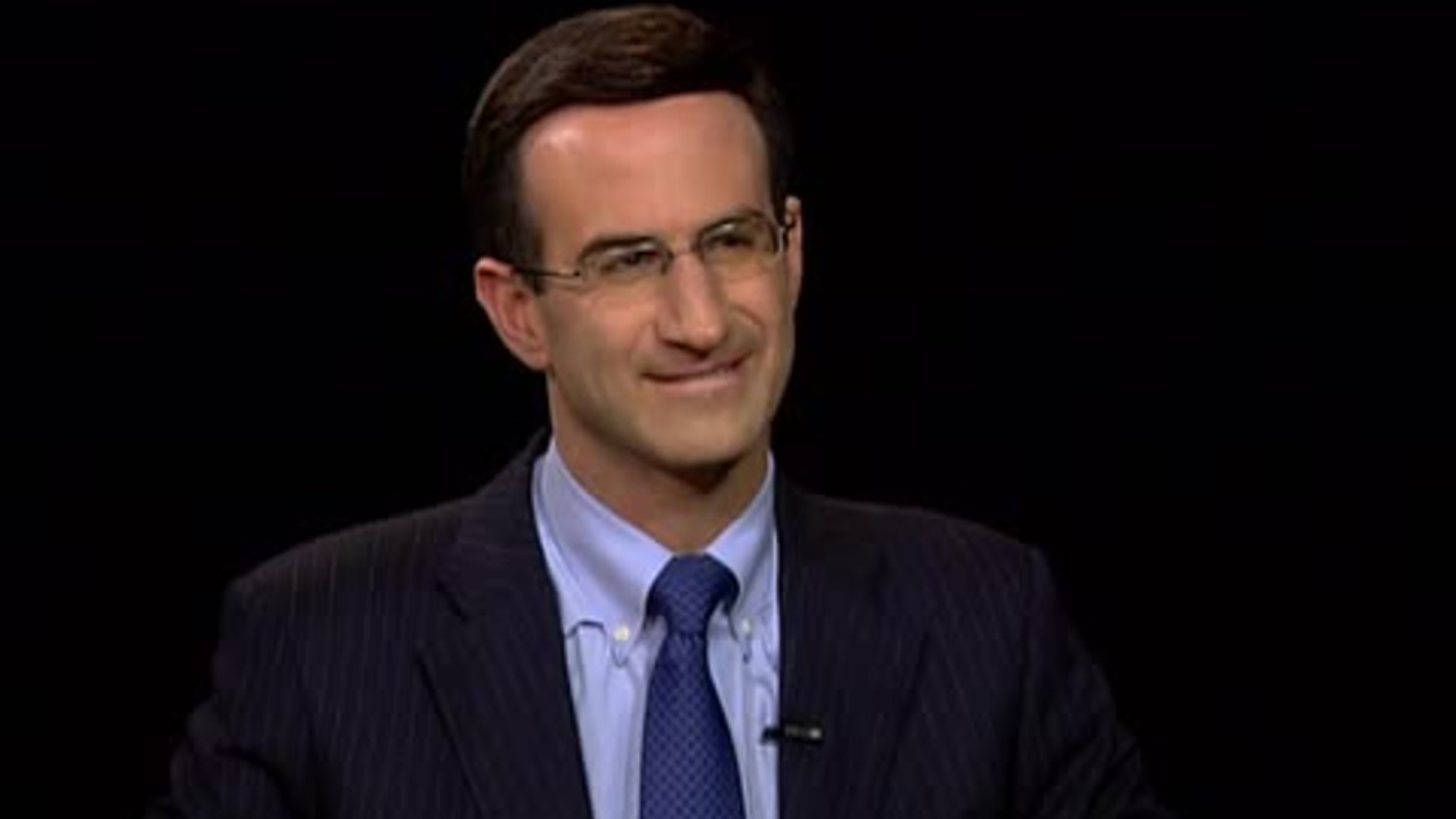
In the world of politics, public image often becomes as important as policy. Every gesture, outfit, or hairstyle can spark conversation, speculation, or even controversy. One such unusual yet persistent topic surrounding American economist and political figure Peter Orszag is the rumor about his supposed toupee. Though at first glance this might seem trivial, the fascination around Orszag’s hair and whether it’s real reflects the deep and sometimes humorous ways the public engages with political figures.
Who Is Peter Orszag?
Peter R. Orszag is a well-known American economist who has served in several influential positions in government and finance. He first gained prominence as the Director of the Congressional Budget Office (CBO) during the George W. Bush administration and later became the Director of the Office of Management and Budget (OMB) under President Barack Obama. Known for his sharp intellect, data-driven approach, and economic insight, Orszag was a central figure during the Obama administration’s efforts to manage the 2008 financial crisis and reform healthcare policy.
After leaving government service, Orszag transitioned into the private sector, holding executive positions at Citigroup and later becoming CEO of Lazard, one of the world’s leading financial advisory and asset management firms. Throughout his career, he has maintained a public presence through interviews, opinion columns, and academic contributions, making him not just a behind-the-scenes policy mind but also a recognizable public figure.
The Origin of the “Toupee” Rumor
The speculation about Peter Orszag’s hair began circulating years ago on social media and in internet forums, where public figures are often subject to scrutiny. Some observers commented that his hair appeared “too perfect,” “too consistent,” or “suspiciously thick,” especially in televised interviews and official photos. This led to lighthearted debates about whether the economist might be wearing a toupee or hairpiece.
Despite the chatter, there has never been any credible evidence or confirmation that Orszag wears a toupee. The conversation remains a tongue-in-cheek topic rather than a serious claim. In fact, those who have seen him in person or in more casual settings often dismiss the idea, noting that his hair appears completely natural. The rumor, however, continues to resurface occasionally, largely as an example of how trivial details can capture public attention in the digital age.
Why Do People Care About a Politician’s Hair?
The fascination with Peter Orszag’s supposed toupee isn’t unique. Public figures, from Donald Trump’s distinctive hairstyle to Joe Biden’s hair restoration rumors, have long been subjects of scrutiny when it comes to their appearance. Hair, in particular, carries symbolic weight. It can reflect youth, energy, and vitality—qualities that can influence public perception, especially for those in leadership positions.
In Orszag’s case, his youthful appearance, combined with his rapid rise in government and finance, might have amplified curiosity. People often associate intelligence and professionalism with a composed physical image. Thus, when a public figure appears “too polished,” it can trigger speculation about what’s “real” versus what’s “managed.”
This pattern is not unique to Orszag. Across history, both male and female politicians have faced speculation about cosmetic enhancements, clothing choices, or even posture. These discussions reveal more about public psychology than about the figures themselves. Voters and citizens, consciously or not, look for signs of authenticity, and even minor visual cues can influence how someone is perceived.
The Role of Media in Perpetuating Lighthearted Myths
The media plays a key role in amplifying or sustaining such discussions. Even minor details can become viral topics when shared on social platforms or discussed in opinion columns. In the age of memes and visual commentary, an image or video clip of Orszag during a speech can spark waves of humorous speculation.
Interestingly, the rumor about Peter Orszag toupee has often been treated not as a serious accusation but as a lighthearted cultural meme. Online forums and political discussion boards occasionally mention it in jest, often pairing it with compliments about his intelligence or career success. This reflects how modern audiences mix humor and politics, creating a blend of seriousness and satire in online discourse.
Appearance and Credibility: A Deeper Connection
While the toupee rumor is trivial in itself, it connects to a broader issue: how appearance affects credibility. In professional and political environments, appearance often shapes first impressions. Studies have shown that people subconsciously associate certain physical traits—such as neatness, grooming, and perceived confidence with competence and trustworthiness.
For someone like Orszag, who has spent much of his career explaining complex economic models and fiscal policies to the public, clarity and confidence in presentation matter. His composed look, including his well-kept hair, reinforces the image of a polished and analytical professional. Whether or not it’s natural is beside the point; his image aligns with the qualities expected of someone managing billions of dollars in national budgets.
Humor and Humanity in Public Life
The existence of a rumor like “Peter Orszag’s toupee” also shows how humor humanizes public figures. Economists and financial leaders are often viewed as distant or overly serious individuals. Lighthearted speculation about something as simple as hair brings them into a more relatable space. It allows the public to engage with them not only as policymakers but as people.
In Orszag’s case, he has never publicly addressed the rumor, which itself may be a smart approach. By ignoring it, he avoids giving the story more traction. His silence reinforces that such chatter does not deserve serious attention and that his professional record speaks louder than any online speculation.
The Broader Trend of Image Politics
Over time, the obsession with how politicians and executives look has intensified. Social media platforms like X (formerly Twitter), Instagram, and TikTok allow every detail of a public figure’s appearance to be magnified and debated. The line between substance and style continues to blur. While voters and followers say they value ideas, they also respond to image-driven cues.
Peter Orszag’s case exemplifies this intersection of substance and style. His real achievements—economic reforms, fiscal analysis, and leadership at major financial institutions—far outweigh any rumor about his appearance. Yet the fact that such a rumor persists illustrates how modern political culture often prioritizes personality and image alongside policy.
Lessons from the “Toupee” Talk
Ultimately, the Peter Orszag toupee rumor offers a small but meaningful reflection of contemporary media culture. It demonstrates how the internet can take an innocuous observation and turn it into a viral talking point. It also reminds the public that appearances, while interesting, should never overshadow the actual substance of a person’s contributions.
For Orszag, his legacy will not be defined by speculation about his hair but by his influence on fiscal policy, healthcare economics, and his leadership in both government and finance. The humor surrounding the rumor may endure, but it serves mostly as a cultural footnote, a testament to how public figures, no matter how serious their work, can become subjects of everyday curiosity.
Conclusion
In the end, whether Peter Orszag wears a toupee or not is irrelevant to his impact as an economist and policymaker. The discussion says more about society’s fixation on image than about the man himself. His career stands as proof that intellect, discipline, and expertise remain the real measures of professional success. The “toupee” story, while amusing, simply adds a touch of humor to the life of a public figure who has spent decades shaping serious conversations about the economy.
In a political world often dominated by image and spectacle, perhaps it’s fitting that one of the most cerebral minds of modern economics has, unintentionally, become the subject of one of its most harmless and humorous rumors.